
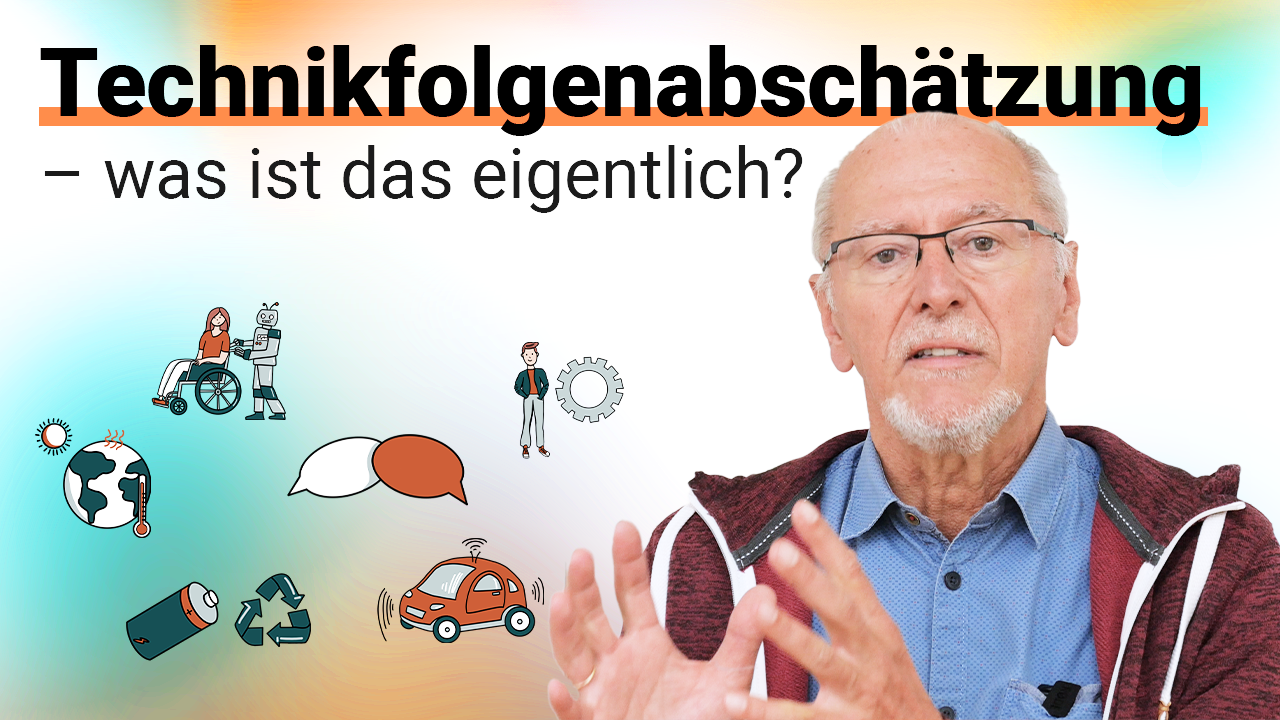

Scientific and technological progress does not only improve our lives, but frequently has unexpected and often undesirable effects. At ITAS, we contribute to realizing its potential while minimizing its risks.
Our addressees are politics, business, and society – the actors who shape scientific and technological progress. We offer them knowledge for action and point out possible solutions to global challenges.

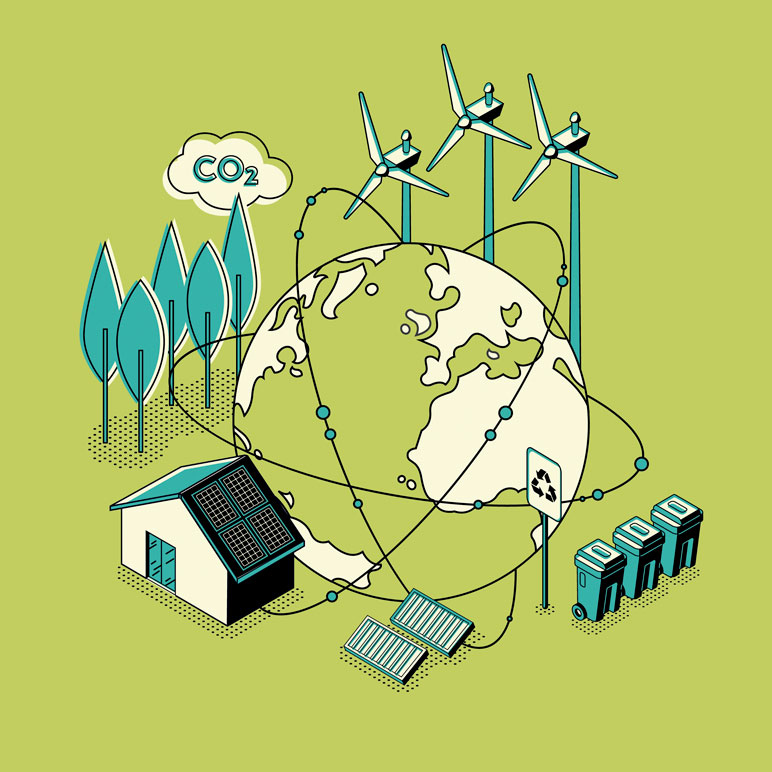
Das Kopernikus-Projekt ENSURE zeigt zehn Möglichkeiten, um die Herausforderungen der Energiewende an die Stromnetze zu bewältigen. Die Handlungsempfehlungen richten sich an Politik, Regulierung, Netzbetreiber und weitere Akteure des Energiesystems.
more
What makes parks truly valuable? By comparing views from citizens and experts in Germany and Korea, a new ITAS project investigates how urban green spaces can be designed to be both environmentally effective and responsive to people’s needs.
more
In April 2027 the conference “Beyond the Crisis reflex? Potentials of long-term governance in research and practice” brings together experts in Karlsruhe who investigate ways to best address long-term problems for society and politics. Deadline: 25 October 2026.
more
Geopolitical tensions, cyberattacks, and technological dependencies are presenting research institutions with new challenges. The TAB is investigating how cybersecurity and scientific openness can be reconciled in the long term.
more


Veranstaltungen

“Researchers are increasingly relying on collaboration with citizens in new projects. However, co-production of knowledge often fails due to infrastructures that consolidate the traditional lay-expert divide. At ITAS, I’m trying to develop tools for a more open and accessible form of participation in science and technology.”
Dana Mahr, Head of research group